









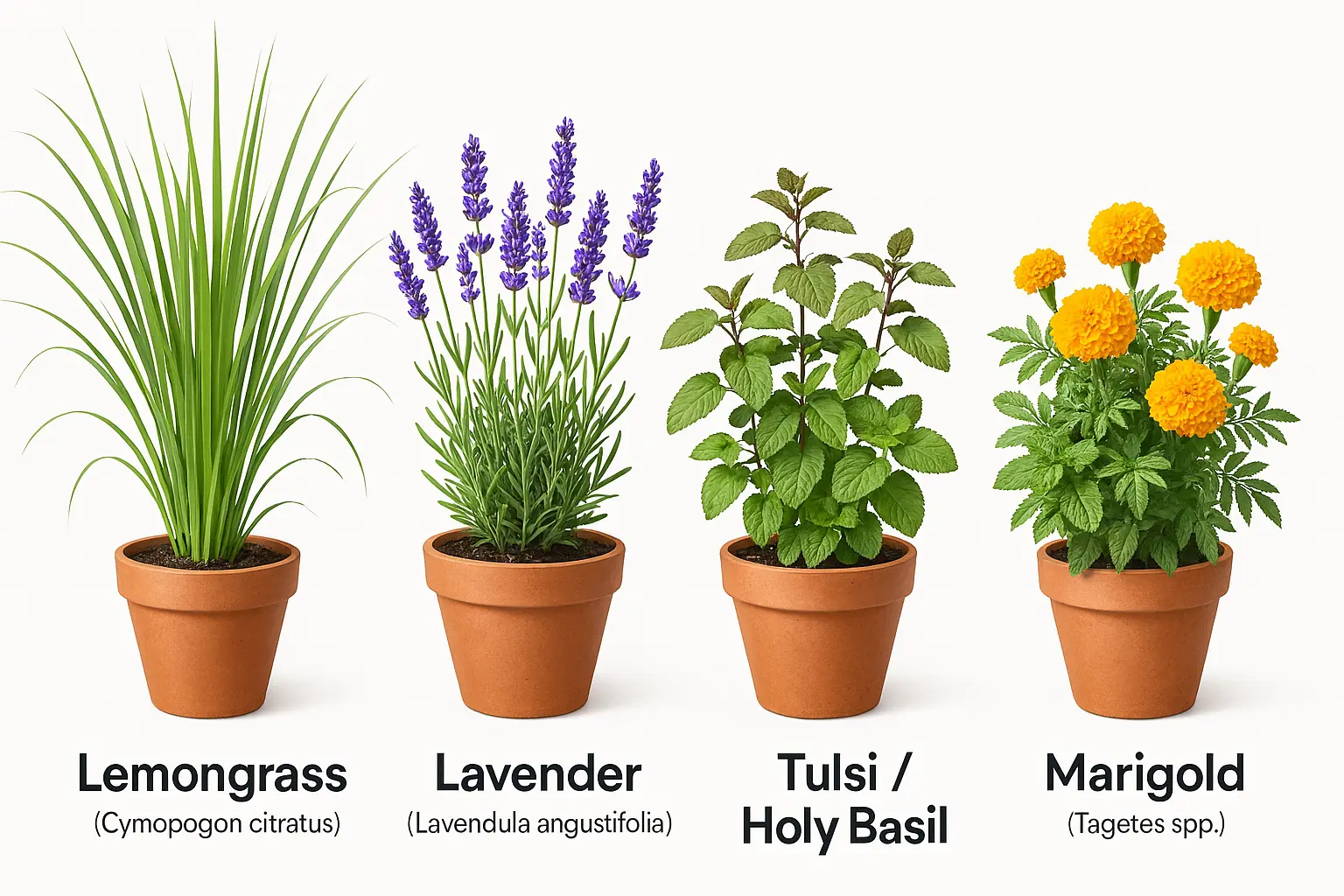
🪴 Top 5 Best Mosquito‑Repelling Plants for Your Garden
Do mosquito‑repelling plants really work? Many gardeners swear by citronella, lavender, and marigolds to keep pests away — but what does science say?
Yes, growing certain plants can help reduce mosquitoes around your home by emitting natural compounds that disrupt a mosquito’s ability to detect humans. While they won’t replace insecticide sprays entirely, strategically placing these greenery champions can cut down on bites, beautify your space, and introduce fresh fragrances into your daily life.
Here are the mosquito-repelling plants.
| Plant | Key Compound | Ideal Placement | Bonus Use |
|---|---|---|---|
| Lemongrass | Citronellal | Near doors & windows | Culinary teas & recipes |
| Lavender | Linalool | Sunny patios & balconies | Pollinator-friendly blooms |
| Tulsi (Holy Basil) | Eugenol | Kitchen garden & pots | Medicinal & spiritual herb |
| Mint | Menthol | Entryways & pathways | Culinary & cooling garnish |
| Marigold | Pyrethrum | Flower beds & borders | Companion for vegetable beds |
1. Lemongrass (Citronella Grass)
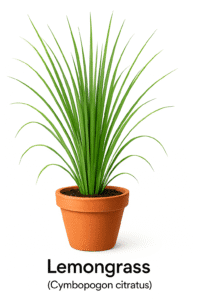
The fresh, citrusy aroma of lemongrass comes from citronellal oil, a proven mosquito deterrent. Plant pots of lemongrass by entry points and crush a few leaves occasionally to release more oil. It thrives in warm, sunny spots with well-draining soil.
2. Lavender
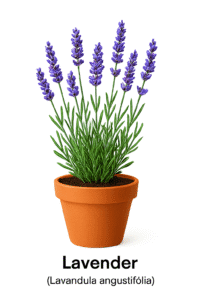
Lavender’s gentle purple blooms contain linalool, which interferes with a mosquito’s scent receptors. Position lavender in full sun around seating areas or window boxes. Beyond repelling pests, it attracts bees and butterflies, and you can dry its flowers for fragrant sachets.
3. Tulsi (Holy Basil)
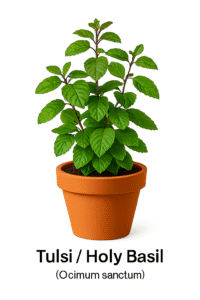
Tulsi emits eugenol and other aromatic oils that mosquitoes dislike. A staple in Indian homes, this hardy herb grows well in pots or garden beds. Harvest fresh leaves for a calming tea or include them in Ayurvedic remedies—adding health benefits beyond pest control.
4. Mint
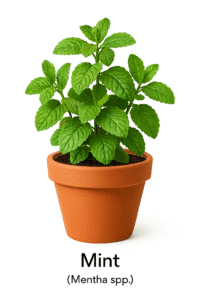
Menthol-rich mint leaves give off a sharp scent mosquitoes avoid. Plant mint in containers to prevent it from overtaking garden beds, and place pots near walkways and patios. Snip a few sprigs for refreshing drinks, desserts, or homemade mint oil to dab on skin as an extra barrier.
5. Marigold
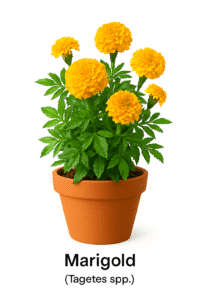
Marigold flowers produce pyrethrum, a natural insecticide that deters mosquitoes and many other garden pests. Grow them in clusters along borders, window sills, or vegetable patches to protect more than just your outdoor seating area. Their bright orange and yellow blooms also add vibrant color to any landscape.
🧠 Quick Tips for Maximum Protection
Place pots at all entry points: doors, windows, and balcony edges.
Gently crush or rub leaves before social gatherings to intensify their oils.
Combine plantings with other eco-friendly methods: remove standing water and use fine-mesh screens on windows.
Sources
FAQs
1 What are the main reasons mosquitoes enter the house?
Mosquitoes often enter homes due to stagnant water, unhygienic surroundings, open windows, and doors without screens. Water collecting in buckets, flower pots, and on rooftops provides ideal breeding spots for them.
2 Do mosquito-repelling plants really work?
Yes — plants like Tulsi (Holy Basil), Lemongrass, and Mint act as natural mosquito repellents. Their strong aroma contains compounds such as citronellal, eugenol, and menthol, which help keep mosquitoes away while adding freshness to your home environment.
3. Why does the mosquito menace increase during the monsoon?
During the rainy season, water tends to collect in pits, flowerpots, and coolers. The warm and humid weather creates ideal conditions for mosquito eggs to hatch into larvae and grow rapidly.
4. What is the easiest home remedy to make your house mosquito‑free?
The simplest method is to remove stagnant water, spray neem or lemongrass oil, and install nets on windows and doors. These steps quickly reduce the number of mosquitoes in your home.
5. what is the Difference between Dengue and Malaria ?
Dengue is caused by the dengue virus and spread by Aedes aegypti mosquitoes that bite during the day and breed in clean stagnant water. Malaria is caused by Plasmodium parasites and spread by Anopheles mosquitoes that bite at night and breed in stagnant or dirty water. Dengue symptoms include high fever, severe body/joint pain, and rash, while malaria typically presents with cyclical fever, chills, and sweating. Dengue has no specific cure—treatment is supportive—whereas malaria is treated with prescribed antimalarial drugs after diagnosis.